

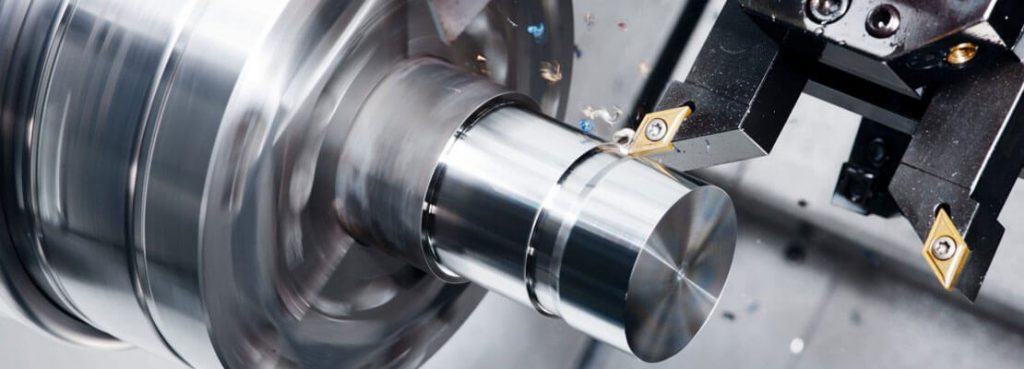
CNC lathe knowledge
The lathe is one of the oldest machines that is always used by humans, and it dates back to 1300 years BC in Egypt. At that time, lathes were used to shape wood. In the 1950s, the CNC lathe was developed. The new cnc technology allowed machines to carve objects according to pre-programmed specifications in a much more convenient way than previous models. CNC machines have become so useful and practical that their number in industrial tool stores is increasing day by day.
What is a cnc lathe?
As you know, a lathe is a tool that is used to shape wood and metal, and its applications in industrial projects are very diverse. This machine is responsible for one of the most important methods of removing extra materials and parts in the manufacturing technology of industrial products. Numerical control computer lathe or CNC lathe is usually used much more than other models of lathes. Because they are fast, accurate and the most advanced type of industrial lathe. With CNC lathe, the materials used in the industrial part are cut slowly and you will have a beautiful product at the end. Sometimes even a complex piece is produced using it. The CNC lathe has at least the ability to control a special cutting part, which is placed on two axes under the g code. These two axes are called X and Z.
How does cnc lathe work?
A typical cnc lathe consists of a gearbox, headstock, chuck, chuck shaft, bed, tool turret, pedals, carriage and spindle for industrial turning. Due to the geometric principles of the machine, turning will be ideal for parts that are symmetrical in the cutting axis and can also be placed in the spindle. Because cnc lathes are so versatile, they are used in many industries including automotive, electronics, aerospace, firearms manufacturing, sports, and many others.
The CNC lathe can be used to produce metal plate surfaces and screw threads, or in the case of ornamental lathes and completely complex and special 3D products. In either case, the piece being worked on is held firmly in place by one or two centers and, in at least one case, moved horizontally. However, materials can also be secured with clamps or machine collets.
